Rajasthan's Wildlife and National Parks: A Guide for Nature Lovers
Rajasthan is a state of the royals, and various examples of royal culture define its rich heritage and civilization. In addition to its cultural diversity, the state is home to a diverse species of fauna. Many wildlife enthusiasts also travel to Rajasthan. If you're thinking about visiting an Indian wildlife refuge, the finest spot for you to visit is Rajasthan. Its many national parks attract visitors from all over the world to explore the incredible wildlife. The place offers a variety of areas where you can find various species together.
Encounter the rarest variety of flora and fauna
Several Rajasthan wildlife and national parks serve as major tourist destinations and draw countless visitors every year. It is due to the rare exotic animal, bird species, and wild plants found here. Explore as many parks and sanctuaries of Rajasthan, and before you take a trip here, learn more about these in the blog below!
1. Bassi Wildlife Sanctuary
In the Indian state of Rajasthan's Chittorgarh district, Bassi Wildlife Sanctuary is a wildlife sanctuary close to Bassi. The distance between the sanctuary and Bassi Fort Palace is roughly 5 kilometers. The wildlife sanctuary in Rajasthan was founded in 1988 and covers a region of 15,290 hectares. The Bassi and Orai dams are part of the sanctuary on the Vindhyachal Ranges' western edge. The refuge is home to migratory birds, wild boar, antelope, panthers, and wild cats.
2. Khichan Bird Sanctuary
The Khichan Bird Sanctuary is situated in the region of Khichan, 171 kilometers away from Jaisalmer. Three bird species—the Kurjan, Karkara, and Kunch—that migrate from South West Europe, the Black Sea region, Poland, Ukraine, Kazakhstan, North and South Africa, and Mongolia reside in this natural sanctuary. Between the months of October and March, you can observe many of these birds as they travel here during this period to avoid the chilly winters in Europe. The Demoiselle Crane Village in Khichan Bird Sanctuary is among the best-known Rajasthan wildlife and national parks.
3. Darrah National Park
Three wildlife sanctuaries in Rajasthan, Darrah WLS, Chambal WLS, and Jaswant Sagar WLS make up the Darrah National Park, established in 2004. Large areas of forest that were historically used as the Maharaja of Kota's hunting grounds are part of the national park. A heavily forested sanctuary, it is located along Kota's southeast border.
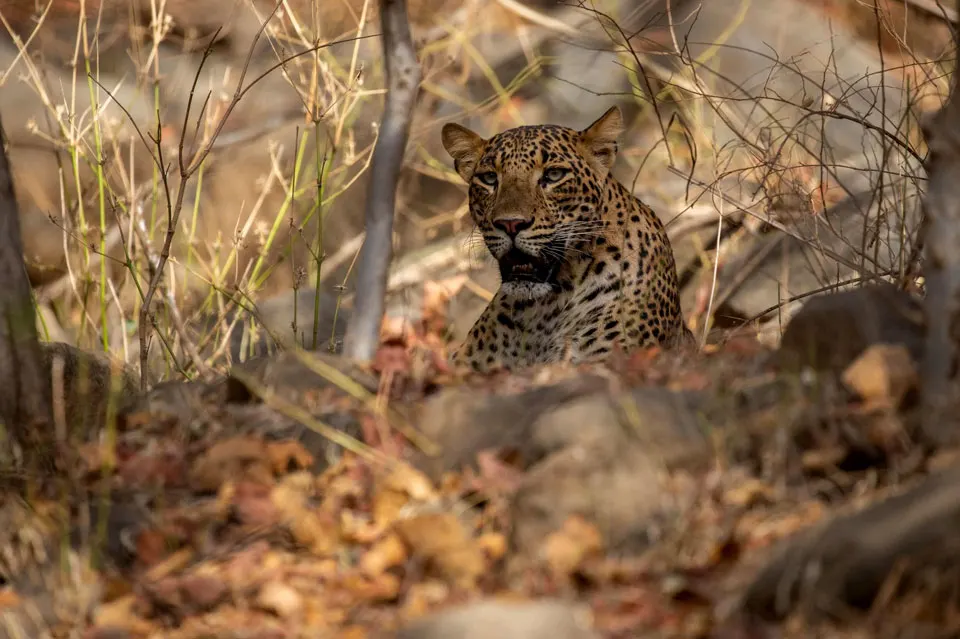
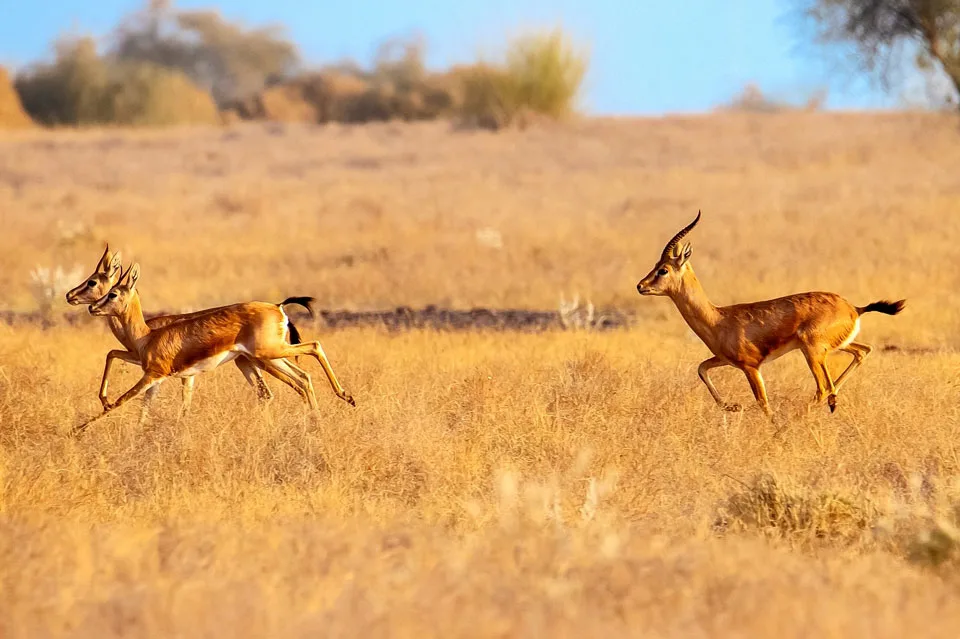
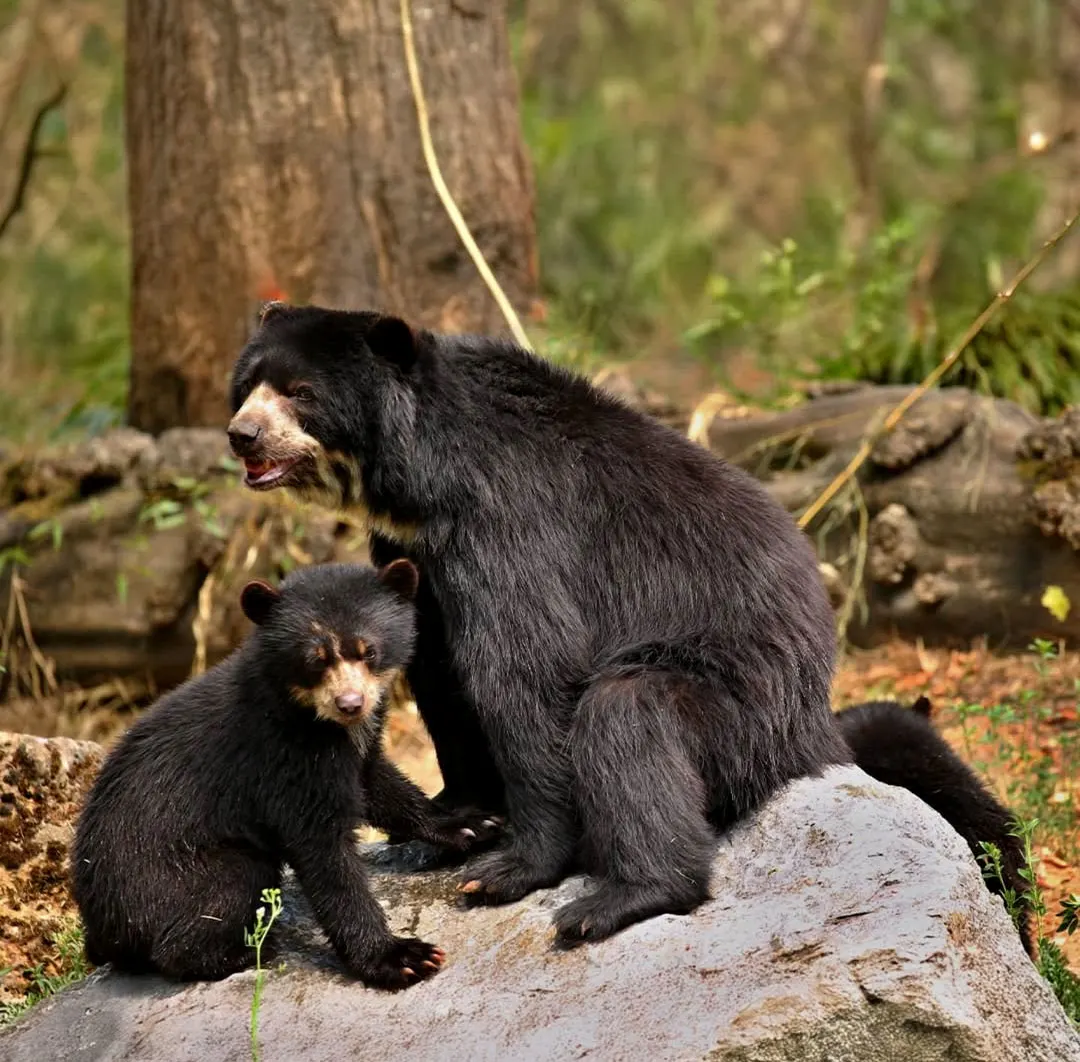
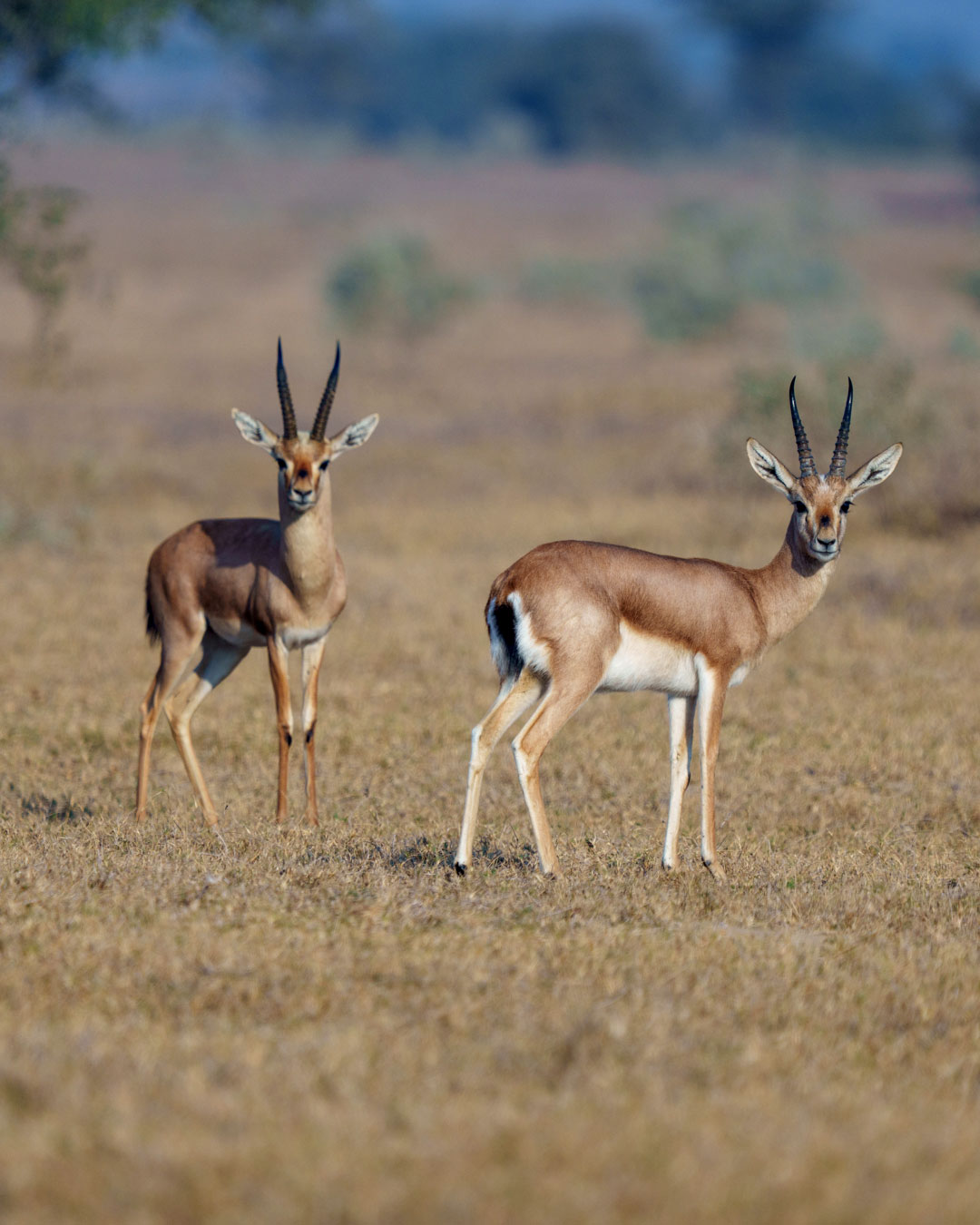
Watch the spotted deer, wild boars, bears, sambhar, leopards, panthers, and antelopes while on your trip here. A few other stunning creatures are the chinkara, wolf, blackbuck Indian fox, desert fox, hare, and desert cat. One of the birds you can find here is the grey partridge.
4. Desert National Park
To protect the desert's vegetation and animals, this Rajasthan National Park was formed in 1980. Numerous people come to this location to glimpse the rare animal species that live in the middle of desert landscapes and rolling dunes. The park exhibits the notable biological diversity of the well-known Thar Desert.
You will have a memorable experience when traveling over the rocky mountains, shattered terrain, and dunes of the desert, thanks to the diverse flora and fauna and abundant wildlife. The area is a haven for desert migratory and resident birds.
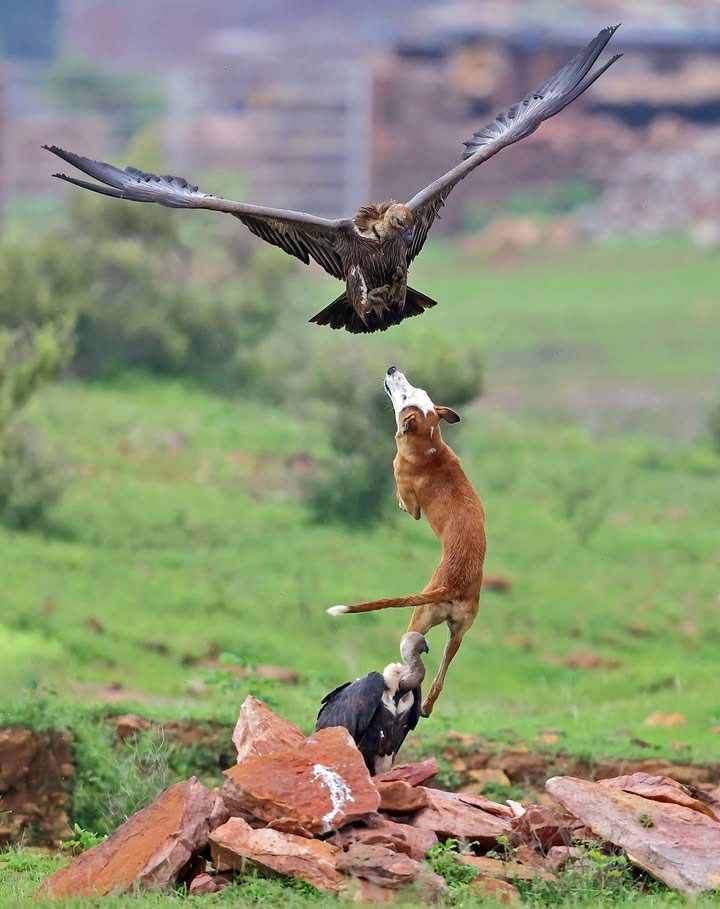
Observe the numerous buzzards, kestrels, eagles, harriers, falcons, and vultures. The most prevalent birds are kestrels, short-toed, tawny, spotted, laggar falcons, and tawny eagles. Nearby lakes or small ponds are where you can see sandgrouse. You can also observe magnificent Indian Bustards in the Desert National Park.
5. Keoladeo National Park
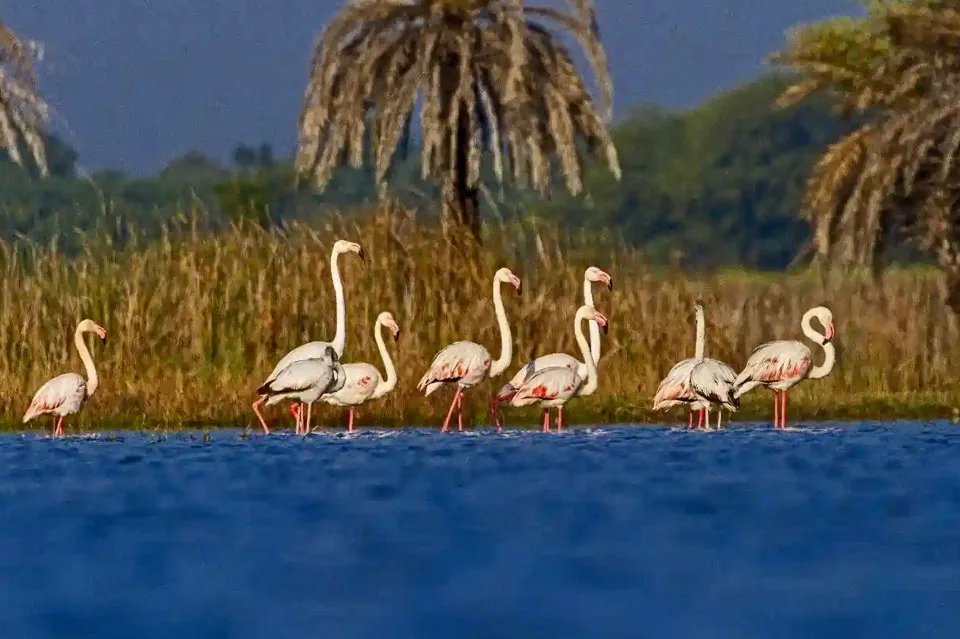
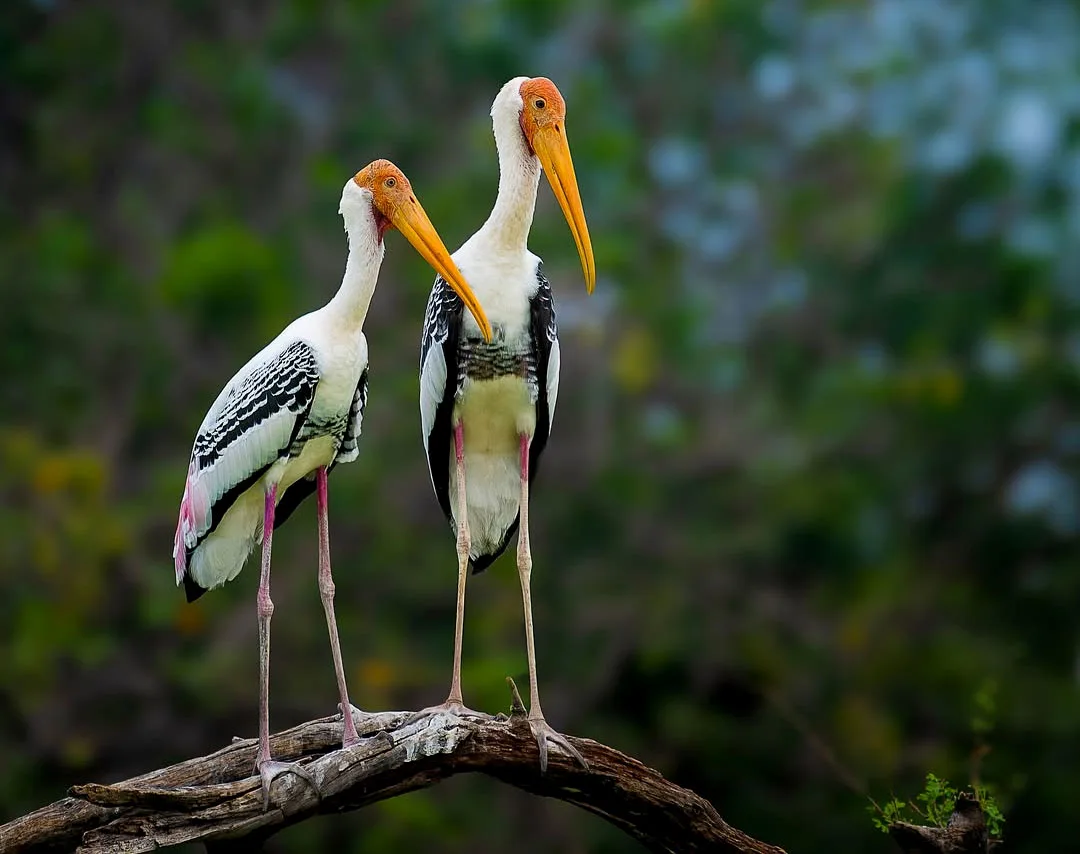
The Keoladeo National Park, originally known as the Bharatpur Bird Sanctuary, is a World Heritage Site home to various migratory birds and mammals and is rich in natural flora and fauna. The grasslands, wetlands, woodlands, and many other diverse habitats that make up the Keoladeo National Park are home to more than 300 different bird and plant species, as well as about 50 different fish species, 13 different snake species, seven different turtle species, and numerous other wild animals.
6. Ranthambore National Park
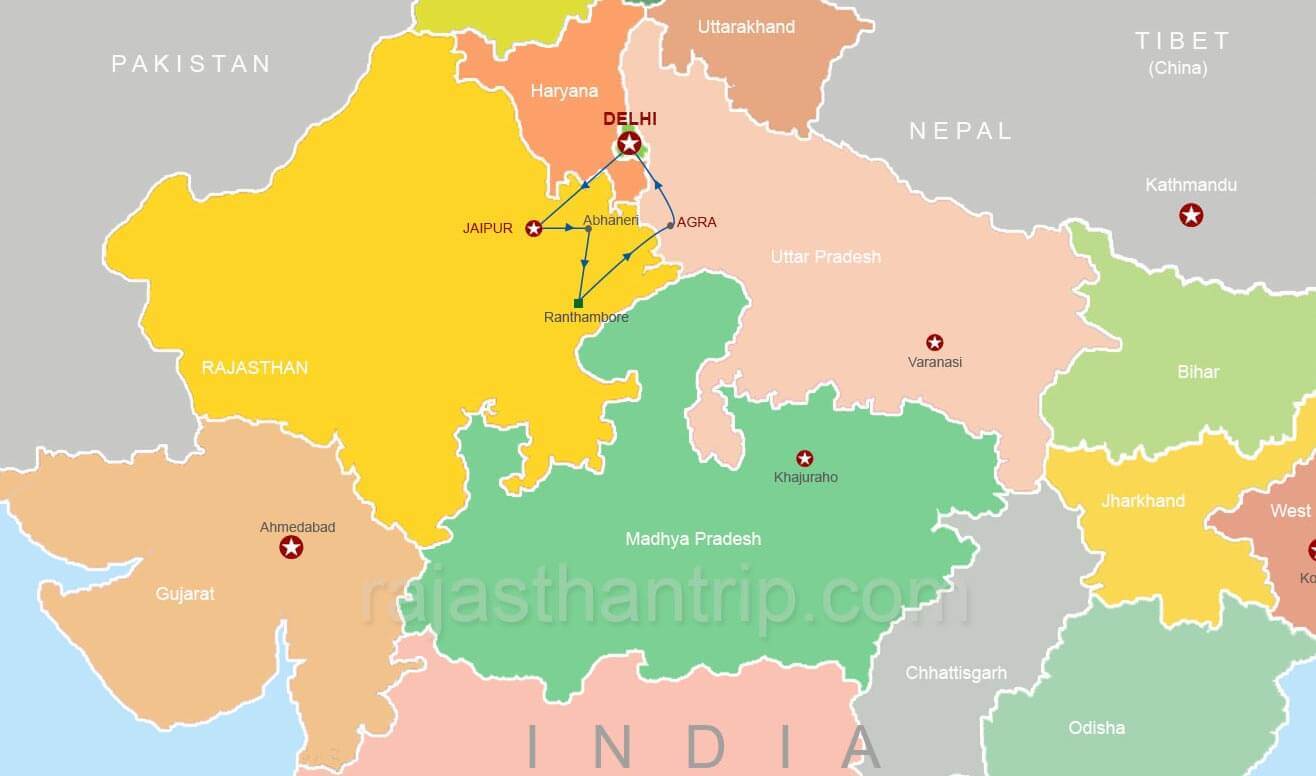
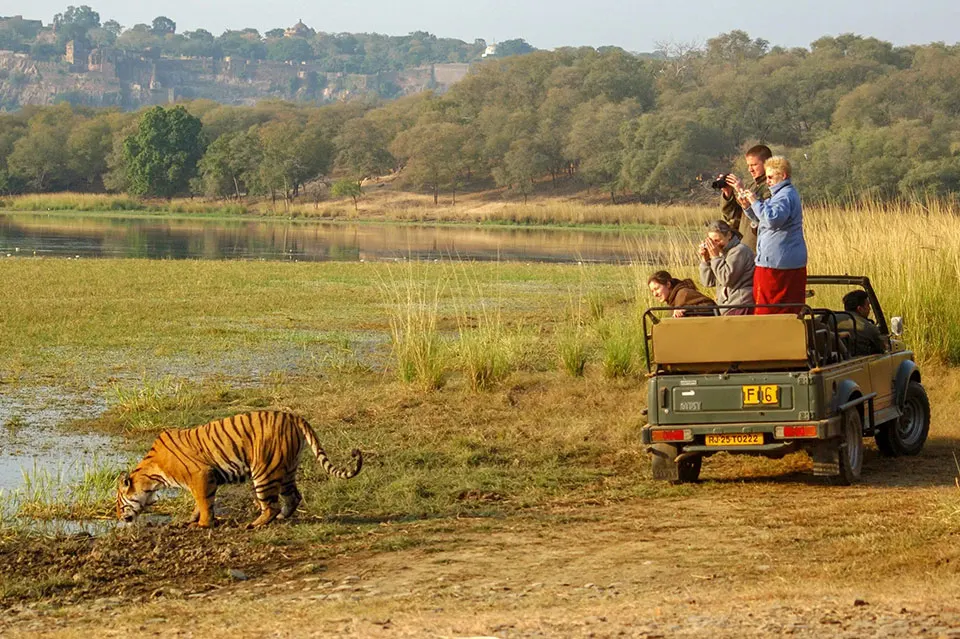
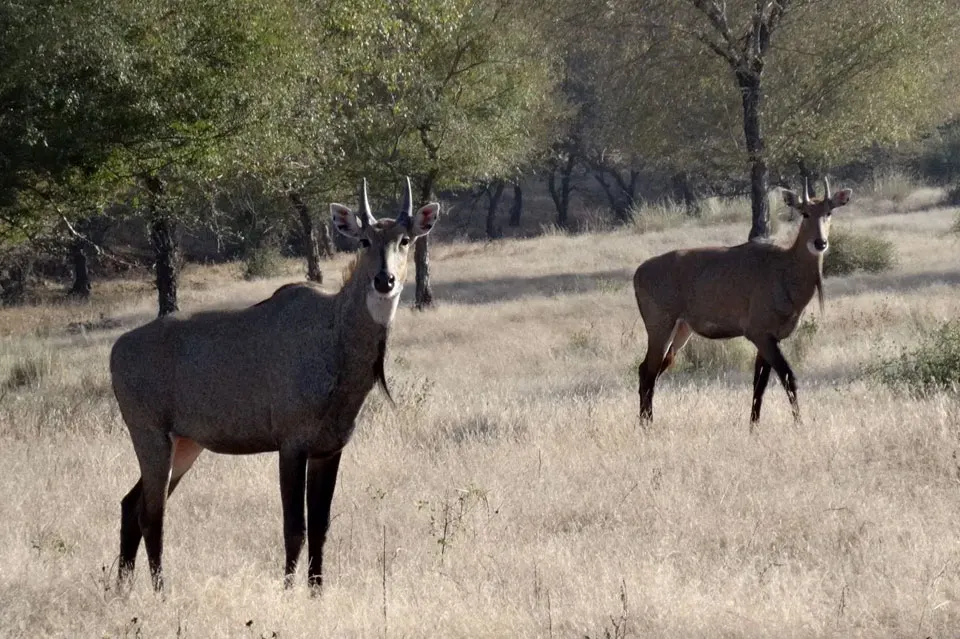
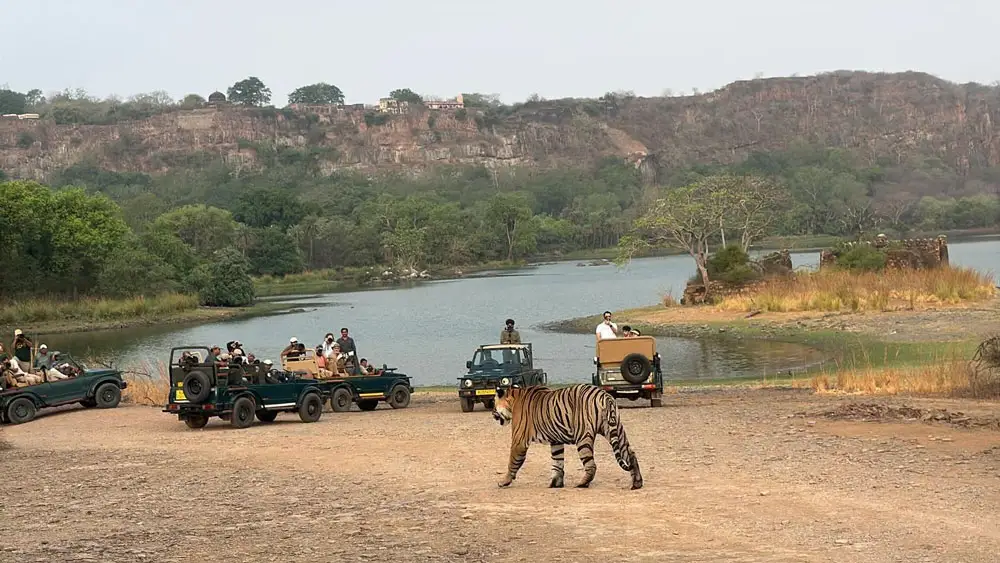
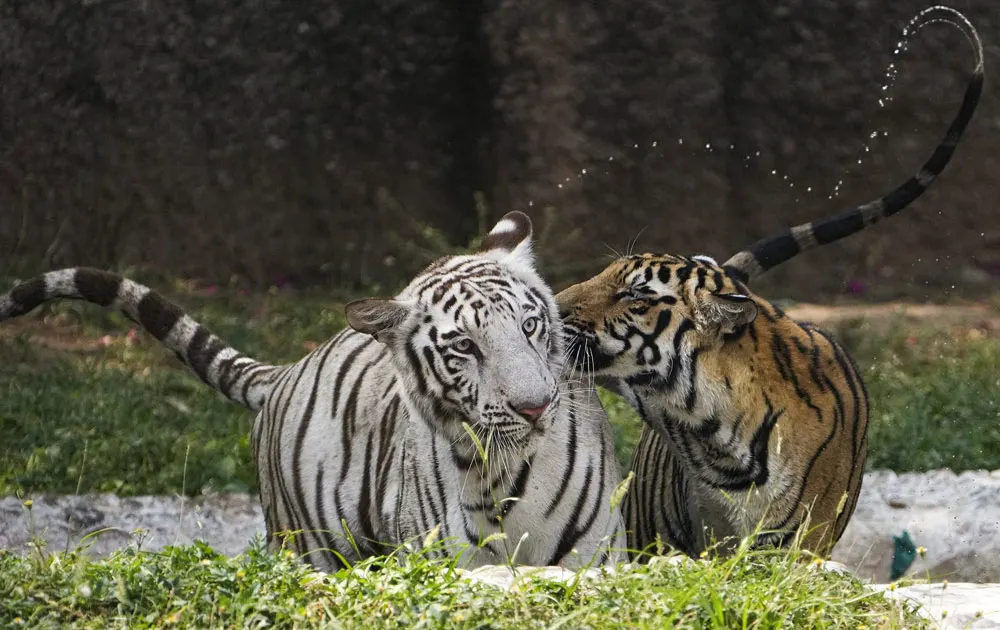
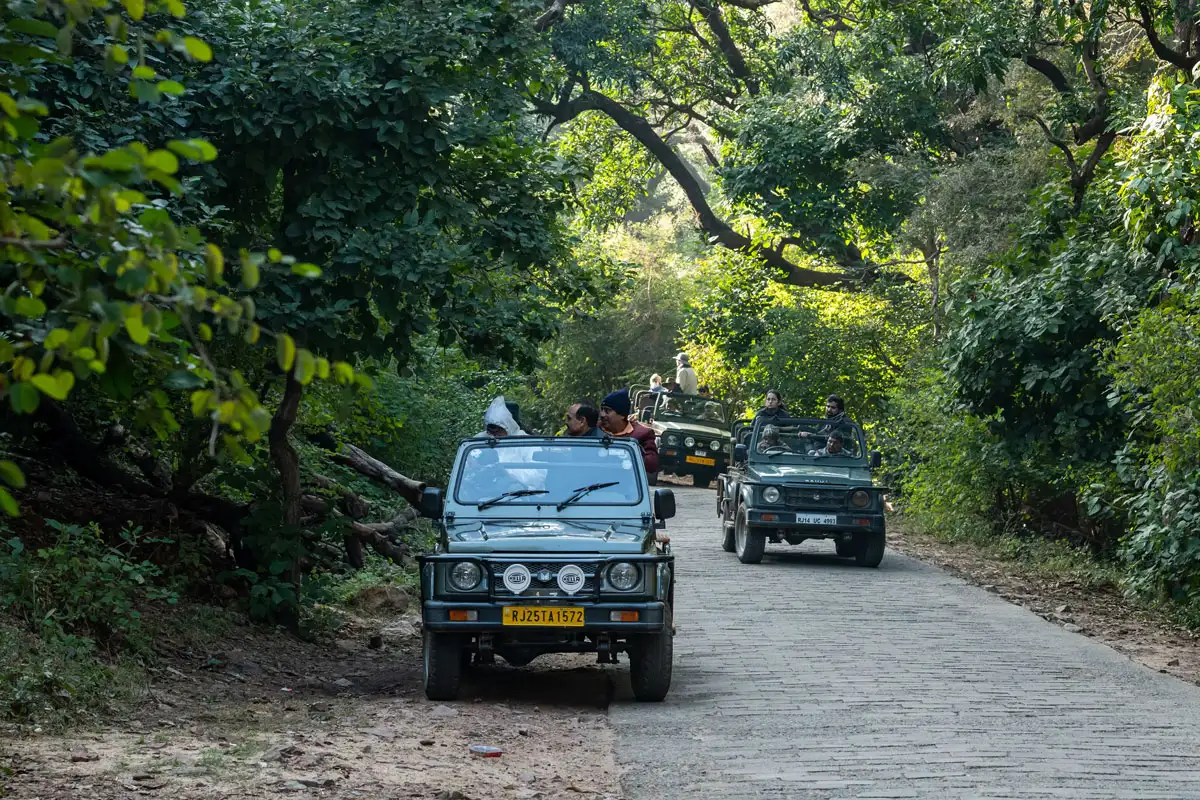
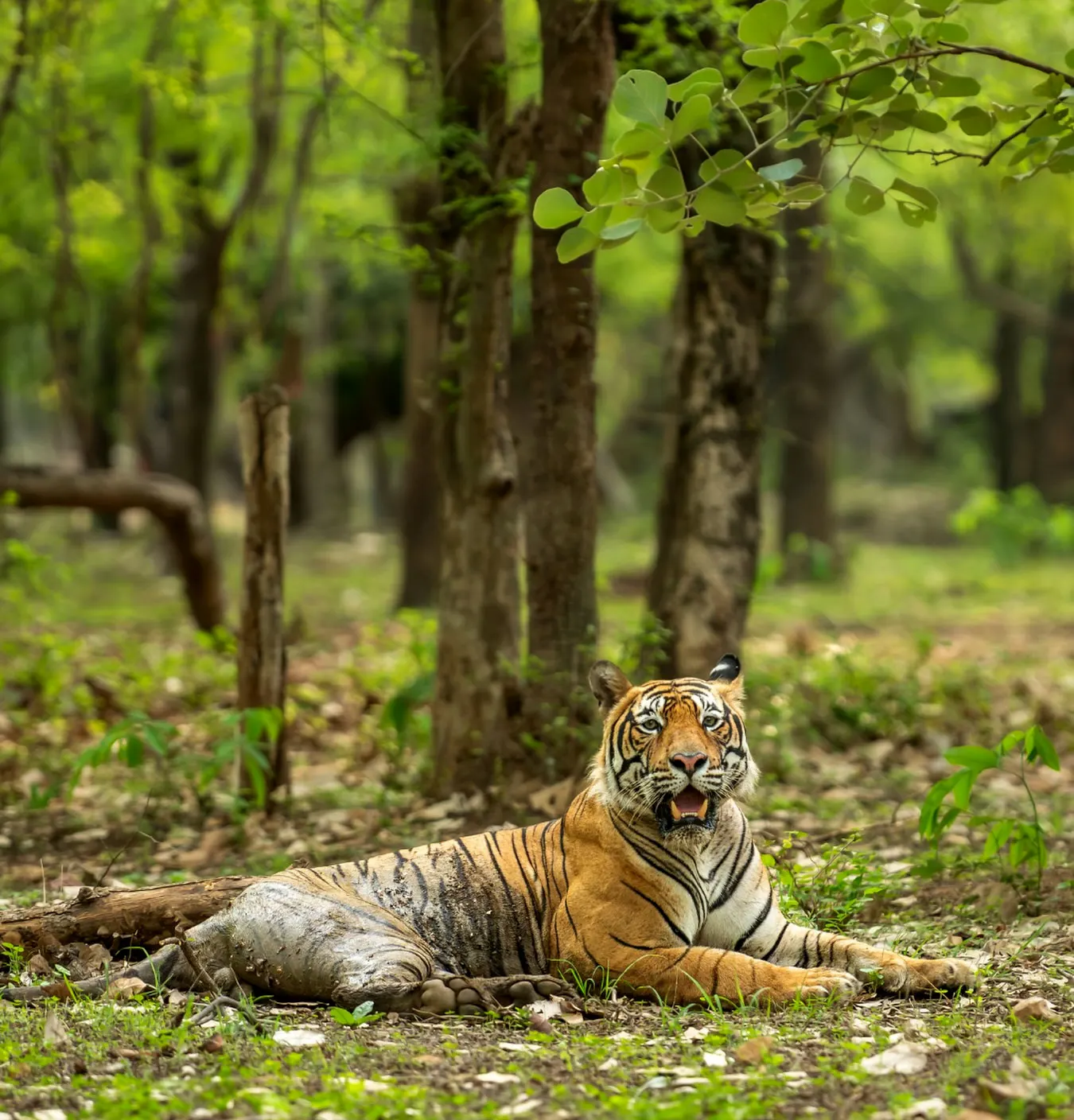
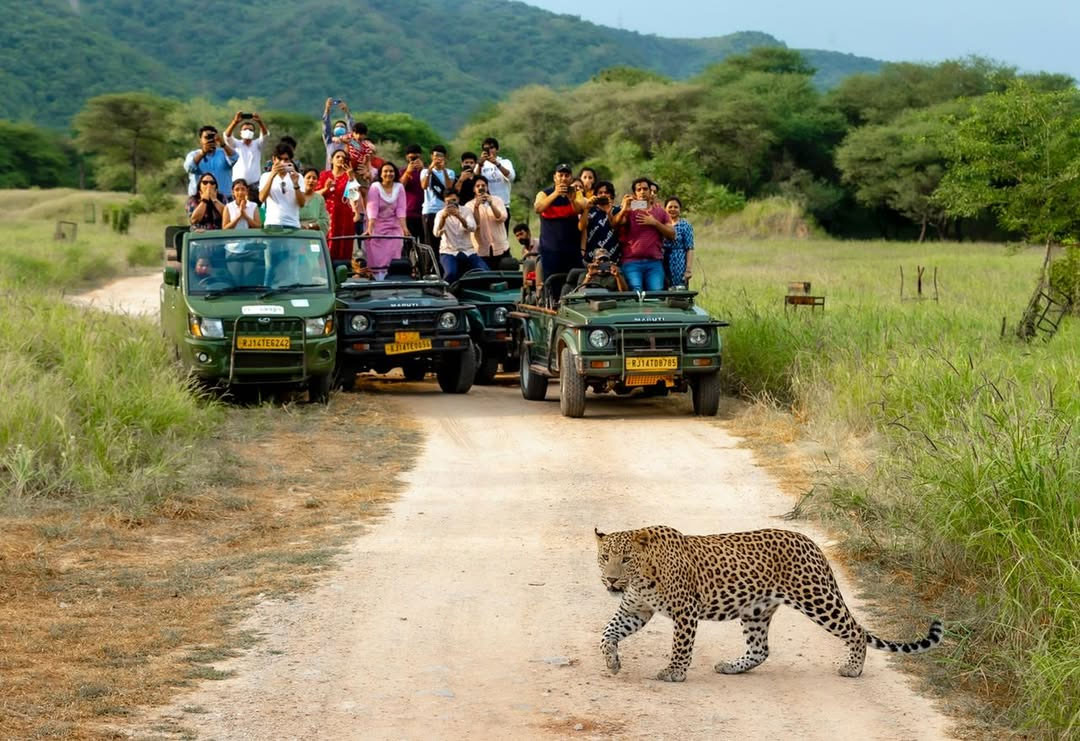
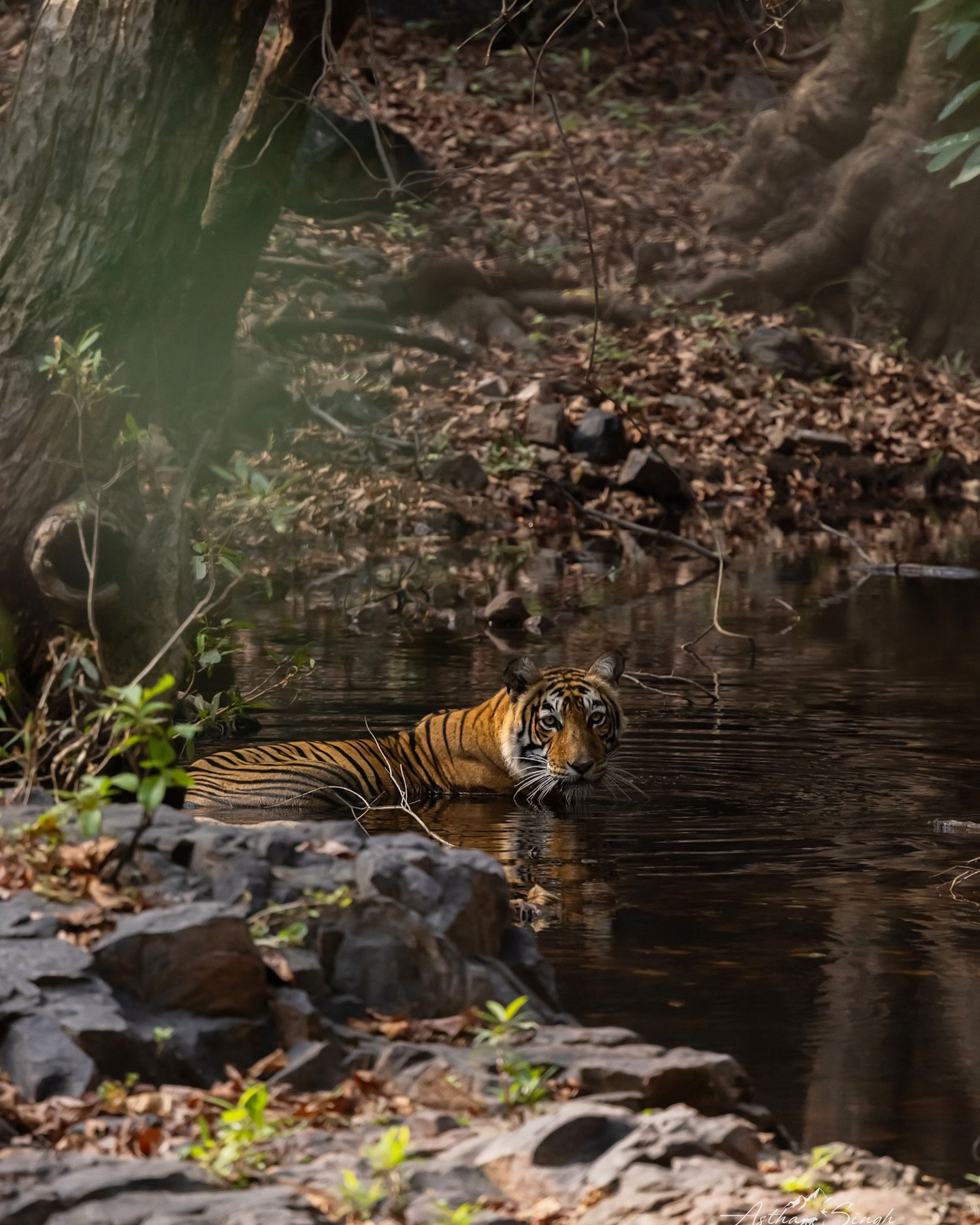
One of the biggest national parks in northern India is Ranthambore National Park in Rajasthan, which is spread out across the state. The best part of visiting Sawai Madhopur's excellent national park is looking at the surrounding plantations and wild animals. The Indian government founded Ranthambore as the Sawai Madhopur Game Sanctuary, and in 1973 it was designated as one of the Project Tiger reserves. The leopard, nilgai, wild boar, sambar, hyena, sloth bear, and chital are among other prominent wild creatures. Many other different kinds of trees, plants, birds, and reptiles can also be found here. One of India's biggest banyan trees can be seen near Ranthambore.
7. Nahargarh Biological Park
Nahargarh Biological Park, also known as Nahargarh Zoological Park, is one of the newest Rajasthan wildlife and national park. Near the Nahargarh Fort, on the Jaipur-Delhi route, you'll find this biological park. The park, located alongside the Aravalli Hills range, has been closed for years because it was one of Rajasthan's preferred rescue centers. The goal of the Elephant Safari at the Nahargarh Biological Park is to promote ecotourism. Tiger, leopard, lion, panther, sloth bear, caracal, deer, gharial, crocodile, pangolin, jackal, wild dog, wolf, hyena, civet, ratel, otter, fox, rhesus monkey, and langur are a some of the exotic animals known to reside in the park that you can observe from the elephant safari.
8. Kumbhalgarh Wildlife Sanctuary
The Kumbhalgarh Wildlife Sanctuary in the Rajsamand District of Rajasthan encircles the Kumbhalgarh palace. The sanctuary is in Rajsamand, Udaipur, and Pali districts and extends across the Aravalli Range. It is around 105 km south of Jaipur and from Udaipur. Out of all the 84 forts that stood during the Mewar kingdom of Rajasthan, the Kumbhagarh Fort, the most notable Fort, is one of the city's well-known landmarks.
Forts, palaces, temples, and a wildlife sanctuary are the city's most well-known attractions. One of the key tourist destinations worldwide is the city of Kumbhalgarh. Wolf, leopards, sloth bears, hyenas, jackals, jungle cats, sambhar, nilgai, chausinghas, chinkaras, and hares are among the wild animals. At Kumbhalgarh, the bird species are worth watching.
9. Mount Abu Wildlife Sanctuary
The Mount Abu Wildlife Sanctuary is situated on Mount Abu, the only hill station in Rajasthan and home to the Aravalli range, one of India's oldest mountain ranges. With its trees, lakes, and waterfalls, Mount Abu stands like a tower of ice in the center of a dry region. Due to weathering caused by wind and water and its rocky location, the rocks are igneous and frequently have big voids.
The Mount Abu Wildlife Sanctuary is widely popular among eco-tourists. The sanctuary is also abundant in plants used for herbal medicine. Almost 81 different tree species, 89 different shrub species, 28 different climbers, and 17 different tuberous plants of medicinal use have been discovered here. The only location in Rajasthan where tourists can see a variety of orchids is Mount Abu.
10. Sariska Tiger Reserve
The Alwar district in the Indian state of Rajasthan is home to the Sariska Tiger Reserve, a national park. In 1955, the land in question—which had previously been a hunting preserve for the former Alwar state—became a nature reserve. It became a part of India's Project Tiger program when it was designated as a tiger reserve in 1978. The four-horned deer, wild boar, langur, caracal, sambar, and chital are among the numerous wild species that may be found in this national park.
Along with these animals are various bird species, and the jackal, hyena, jungle cat, leopard, and Bengal tiger. The tiger population in this national park was on the verge of extinction in 2005. However, the calamity was averted thanks to the state government of Rajasthan and the WII (Wildlife Institute of India).